Coworking Space Business Model: How Operators Make Money
Coworking is an operating business built on occupancy, service quality, flexible products, and disciplined cost control.
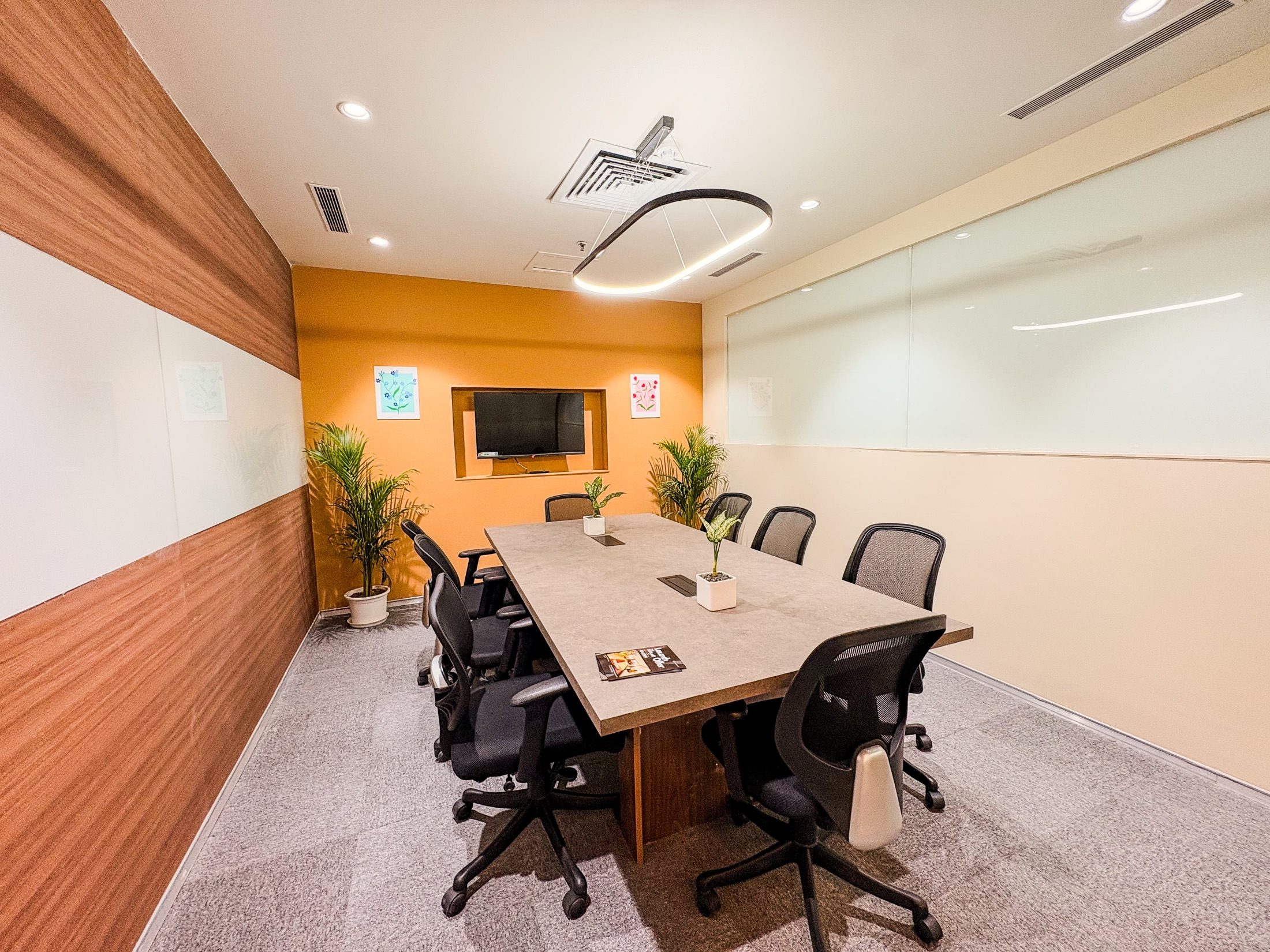
The coworking business model is simple on the surface: create a work-ready space and sell access to it. In practice, it is a detailed operating business where profitability depends on product mix, occupancy, pricing, service quality, and cost control.
Core revenue streams
The most common revenue stream is monthly membership. This includes hot desks, dedicated desks, and private offices. Hot desks attract flexible users, dedicated desks create routine, and private cabins generate higher revenue per seat.
Meeting rooms are another important revenue stream. Members need them for client meetings, team reviews, interviews, and workshops. Non-members may also book them by the hour.
Virtual offices add another layer. They help businesses use a professional address, receive mail, and access documentation support without taking a full-time desk.
Managed offices are a higher-value product. In this model, the coworking operator creates a customized office for a team while handling infrastructure and operations.
Why product mix matters
A space filled only with hot desks may look active but may not generate enough stable revenue. A space filled only with cabins may lose community energy and flexibility. The best mix depends on the market.
Many modern operators prioritize private cabins and managed offices because teams want privacy, security, and predictable space. Hot desks still matter, but they are often part of a broader strategy.
Main costs
Major costs include rent or property ownership, fit-out, furniture, internet, utilities, staff, housekeeping, security, repairs, marketing, software, and taxes. Operators must also plan for vacancy periods and maintenance.
Build-out cost is especially important in premium coworking. Interiors, lighting, acoustics, cabins, meeting rooms, and common areas influence customer perception and pricing power.
Occupancy and pricing
Occupancy drives the business. Empty seats do not generate revenue, but overfilling the space can reduce comfort and increase churn. The goal is not just maximum occupancy; it is healthy occupancy at sustainable pricing.
Pricing must reflect location, amenities, service, and target customer. Competing only on lowest price often damages the brand and reduces margins.
Customer retention
Retention is the hidden engine of profitability. If members leave quickly, marketing costs rise and revenue becomes unstable. Operators retain members by providing reliable internet, clean facilities, responsive service, clear billing, and a work environment people actually enjoy.
Limelight Coworks as an example of positioning
Limelight Coworks focuses on premium workspace, private cabins, and a calm work environment in Sector 127, Noida. That kind of positioning is different from a mass-market open coworking hall. It targets customers who value privacy, ambience, and professional infrastructure.
Final thought
Coworking operators make money by turning real estate into a flexible service business. The winners are not just landlords with desks. They are operators who understand hospitality, community, sales, design, and daily execution.
Book a tour at Limelight Coworks
Compare workspace options, understand current availability, and choose a setup that fits your day.
Book a TourRelated FAQs
How much does it cost to start a coworking space?
The cost depends on city, rent, size, fit-out quality, furniture, internet, security, HVAC, branding, staff, and marketing. Premium coworking spaces require higher upfront investment because interiors, acoustics, and customer experience matter. A realistic plan should include both setup cost and several months of operating runway.
Is opening a coworking space profitable?
It can be profitable, but only when occupancy, pricing, lease terms, and operating costs are managed tightly. Profitability usually depends on getting the right mix of private offices, dedicated desks, meeting rooms, and flexible memberships.
What is the business model of a coworking space?
The basic model is to lease or own space, build it into flexible work areas, and sell memberships, cabins, meeting rooms, event space, virtual offices, and managed office services. The operator earns by improving occupancy and charging for convenience, flexibility, and services.