How to Start a Coworking Space: A Practical Step-by-Step Guide
Starting a coworking space requires market validation, the right location, disciplined financial planning, and strong operations.
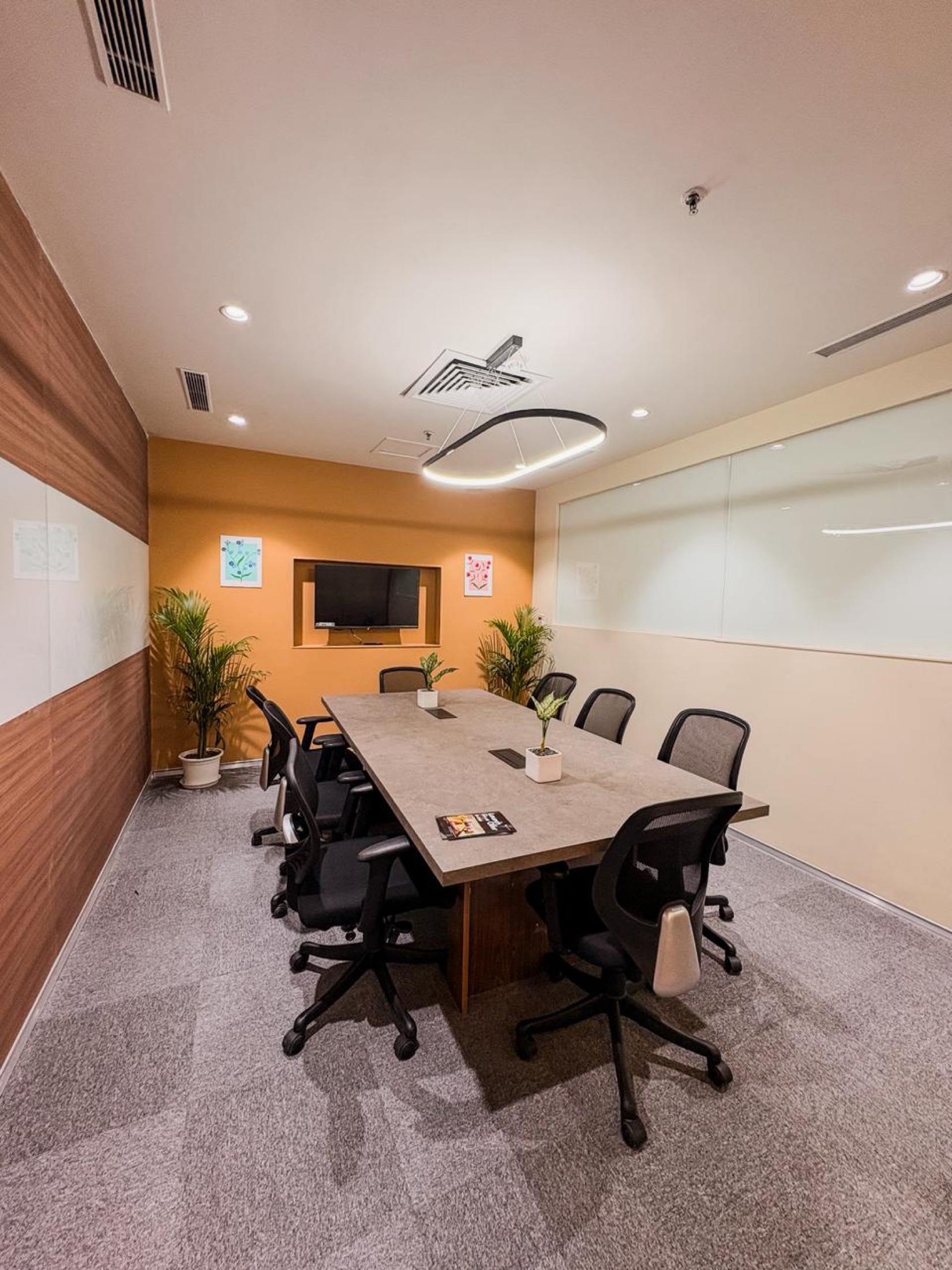
Starting a coworking space is not just a real estate project. It is a hospitality, operations, sales, and community business. A beautiful space can fail if demand is weak, pricing is wrong, or daily service is inconsistent.
Step 1: Validate demand
Before signing a lease, study the local market. Who will use the space: freelancers, startups, consultants, remote workers, enterprise teams, ecommerce sellers, or local SMEs? Search demand, speak to potential customers, meet brokers, and study competitors.
Do not assume that “coworking is trending” means your specific location will work.
Step 2: Choose the right location
Location affects everything: pricing, occupancy, commute, client visits, and brand perception. Look for business density, safe surroundings, parking, public transport, nearby cafés or services, and visibility.
In a market like Noida, proximity to business parks and the Noida Expressway can be a major advantage.
Step 3: Build a financial model
Estimate rent, deposit, fit-out, furniture, internet, utilities, staff, housekeeping, maintenance, software, marketing, taxes, and working capital. Then estimate revenue from cabins, dedicated desks, hot desks, meeting rooms, virtual offices, and events.
Model best case, realistic case, and slow occupancy case. Many operators fail because they underestimate how long it takes to fill seats.
Step 4: Plan the product mix
Decide how much space goes to private cabins, open desks, meeting rooms, phone booths, lounge, pantry, reception, and storage. The layout should match customer demand.
Private cabins may bring stable revenue. Hot desks create flexibility. Meeting rooms support both members and outside bookings. Virtual office plans can add revenue without heavy desk usage.
Step 5: Design for daily use
Design is not only about photos. It must support focus, calls, movement, privacy, lighting, acoustics, and comfort. A coworking space that looks good but feels noisy will lose members.
Step 6: Set clear pricing
Keep plans simple. Day pass, hot desk, dedicated desk, private cabin, meeting room, virtual office, and managed office should be easy to understand. Avoid hidden fees that damage trust.
Step 7: Create a launch plan
Use local SEO, Google Business Profile, Instagram walkthroughs, LinkedIn content, broker partnerships, referral offers, and founder community outreach. Invite prospects to tour before the official launch.
Step 8: Operate like a service business
Members stay because daily basics work: Wi-Fi, cleanliness, support, billing, comfort, and responsiveness. Hire and train staff who understand hospitality as much as office management.
Final thought
A coworking space succeeds when it solves a clear market need. Limelight Coworks in Sector 127, Noida, shows one strong positioning: premium, privacy-first workspace for professionals and teams who want a better environment without traditional office headaches.
Book a tour at Limelight Coworks
Compare workspace options, understand current availability, and choose a setup that fits your day.
Book a TourRelated FAQs
How much does it cost to start a coworking space?
The cost depends on city, rent, size, fit-out quality, furniture, internet, security, HVAC, branding, staff, and marketing. Premium coworking spaces require higher upfront investment because interiors, acoustics, and customer experience matter. A realistic plan should include both setup cost and several months of operating runway.
Is opening a coworking space profitable?
It can be profitable, but only when occupancy, pricing, lease terms, and operating costs are managed tightly. Profitability usually depends on getting the right mix of private offices, dedicated desks, meeting rooms, and flexible memberships.
What is the business model of a coworking space?
The basic model is to lease or own space, build it into flexible work areas, and sell memberships, cabins, meeting rooms, event space, virtual offices, and managed office services. The operator earns by improving occupancy and charging for convenience, flexibility, and services.