How Many Members Does a Coworking Space Need to Be Profitable?
There is no universal member count. Profitability depends on revenue per seat, occupancy, fixed costs, and product mix.
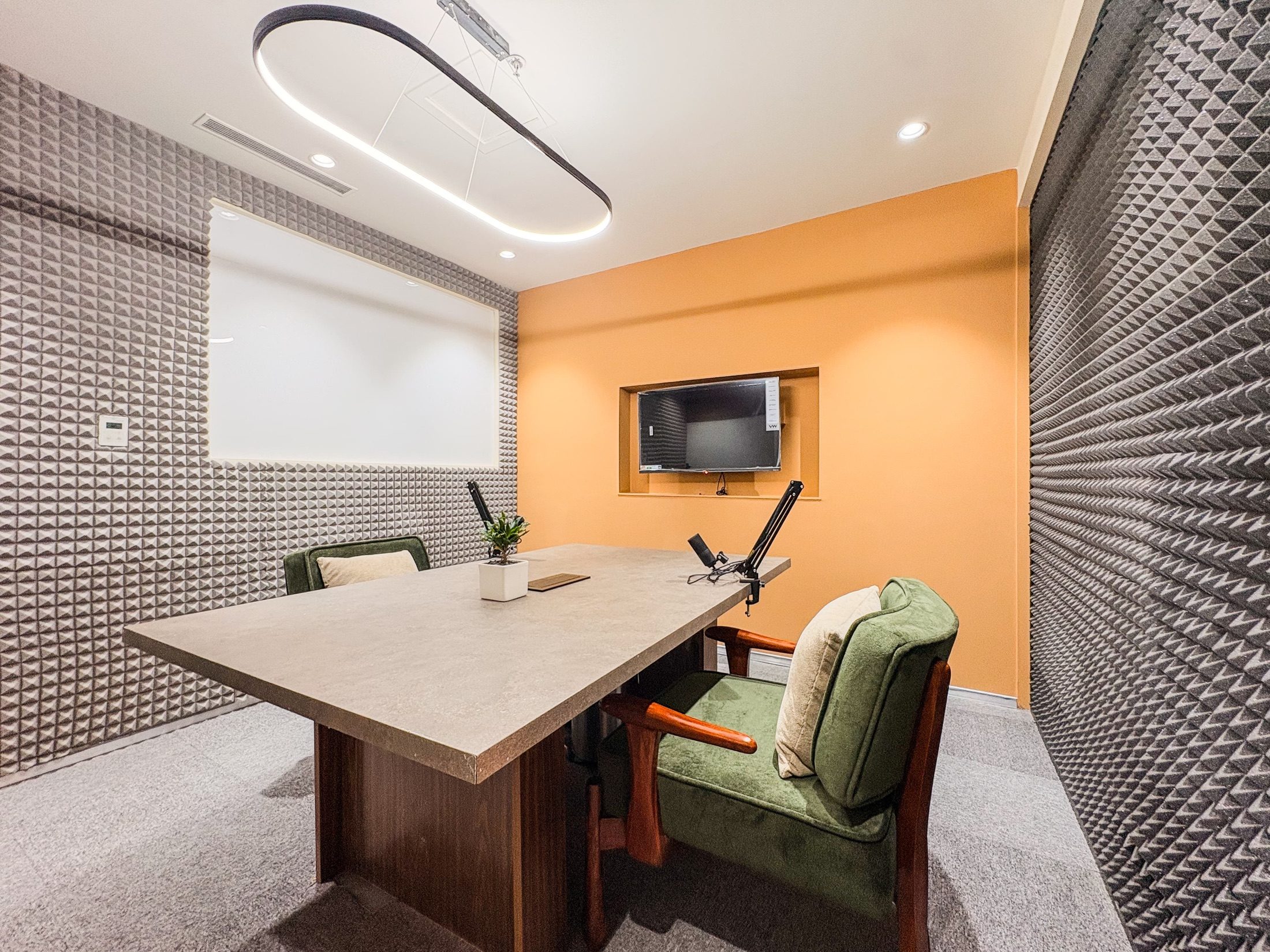
There is no universal number of members a coworking space needs to become profitable. A small premium space with private cabins can break even with fewer members than a large open coworking hall. The real calculation depends on average revenue per seat, rent, fit-out cost, operating expenses, and occupancy.
Start with fixed costs
Fixed costs include rent, salaries, internet, software, housekeeping, security, utilities, maintenance, marketing, loan repayments, and administrative expenses. These costs continue even when seats are empty.
The first question is: how much revenue is required every month to cover these costs?
Understand revenue per seat
Not every seat earns the same. A hot desk may generate lower monthly revenue. A dedicated desk earns more. A private cabin seat may earn more still, especially in a premium workspace. Meeting rooms, virtual offices, and event bookings can increase revenue beyond seat count.
This is why member count alone can be misleading. Ten private cabin users may produce more revenue than twenty heavily discounted hot desk users.
Calculate occupancy
Occupancy is the percentage of sellable capacity that is actively generating revenue. A coworking space may have 100 seats, but profitability depends on how many are paid, at what price, and for how long.
Operators should track occupancy by product type: hot desks, dedicated desks, cabins, meeting rooms, and virtual offices.
Factor in churn
A space may hit a profitable month and still struggle if members leave quickly. Churn creates sales pressure and cash flow instability. Retention is often more important than aggressive discounts.
Product mix changes the break-even point
Private cabins and managed offices can raise revenue per square foot. Hot desks can attract flexible users but may need higher volume. Meeting rooms and virtual offices can add margin if managed well.
The best business model is usually balanced: stable cabin revenue, flexible desk options, meeting room usage, and service-based add-ons.
Build a simple model
List every monthly cost. Then list every revenue source. Estimate conservative occupancy for the first six to twelve months. Include vacancy, discounts, delayed payments, and maintenance.
If the model only works at perfect occupancy, it is too risky.
Final thought
Profitability is not about filling every chair at any price. It is about selling the right products to the right customers at sustainable margins. Premium spaces like Limelight Coworks focus on value, privacy, and experience, which can support stronger revenue per customer than commodity coworking.
Book a tour at Limelight Coworks
Compare workspace options, understand current availability, and choose a setup that fits your day.
Book a TourRelated FAQs
How much does it cost to start a coworking space?
The cost depends on city, rent, size, fit-out quality, furniture, internet, security, HVAC, branding, staff, and marketing. Premium coworking spaces require higher upfront investment because interiors, acoustics, and customer experience matter. A realistic plan should include both setup cost and several months of operating runway.
Is opening a coworking space profitable?
It can be profitable, but only when occupancy, pricing, lease terms, and operating costs are managed tightly. Profitability usually depends on getting the right mix of private offices, dedicated desks, meeting rooms, and flexible memberships.
What is the business model of a coworking space?
The basic model is to lease or own space, build it into flexible work areas, and sell memberships, cabins, meeting rooms, event space, virtual offices, and managed office services. The operator earns by improving occupancy and charging for convenience, flexibility, and services.